
FIRST EDITION · 24 NOVEMBER 2026
The State of Tabular AI Report 2026
Tabular AI is the subset of AI concerned with grounding decisions on tabular data.
This 104-page report maps where it stands today: scikit-learn and the Python ecosystem, tabular foundation models, and data science agents, based on data analysis and interviews with over 50 experts.
Inside the report:
- Why Tabular AI is much more than predictive modeling
- How the Python ecosystem became its foundation
- Where tabular foundation models lead, and where they still fall short
- Why agents shift the bottleneck from speed to validation
Some key figures
2.3 billion
scikit-learn downloads in the past 12 months, 94% more than the year before, or about 73 per second.
80%
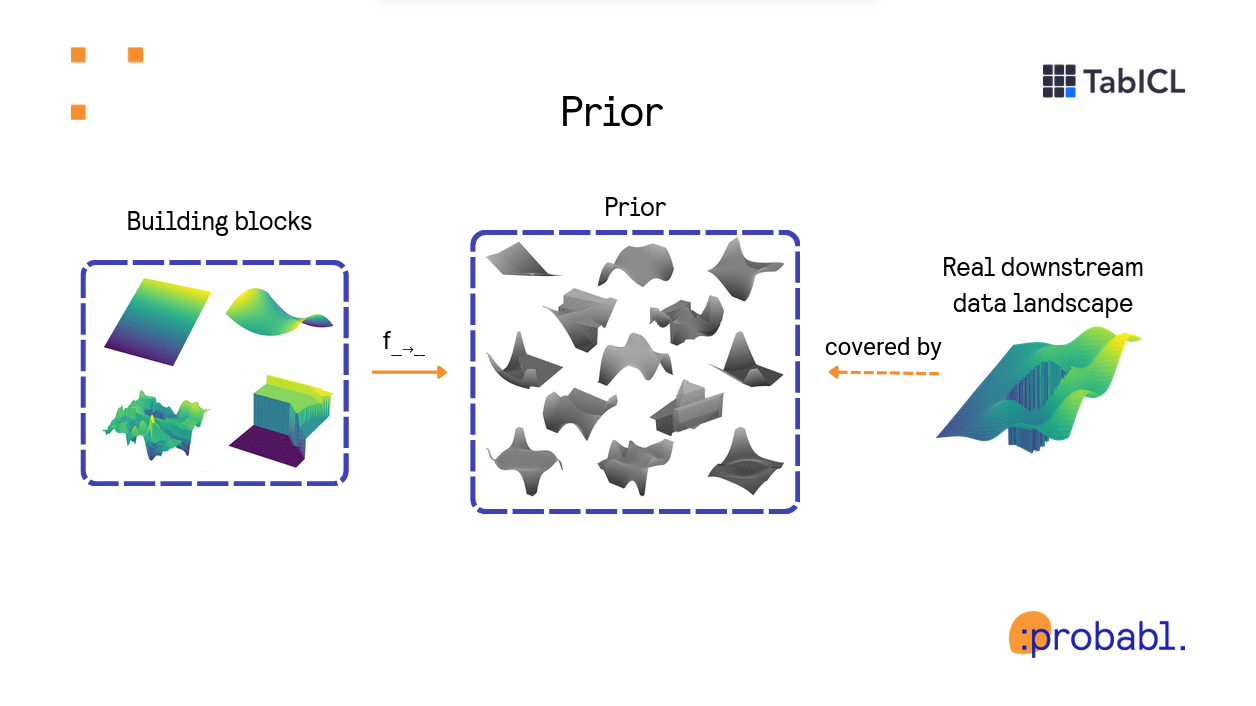
of TabArena datasets where TabICLv2 beats tuned XGBoost, CatBoost, and LightGBM.
2
fully open tabular foundation models: TabICLv2 and Kumo Tabular. Most others are open-weight under non-commercial licenses.
67%
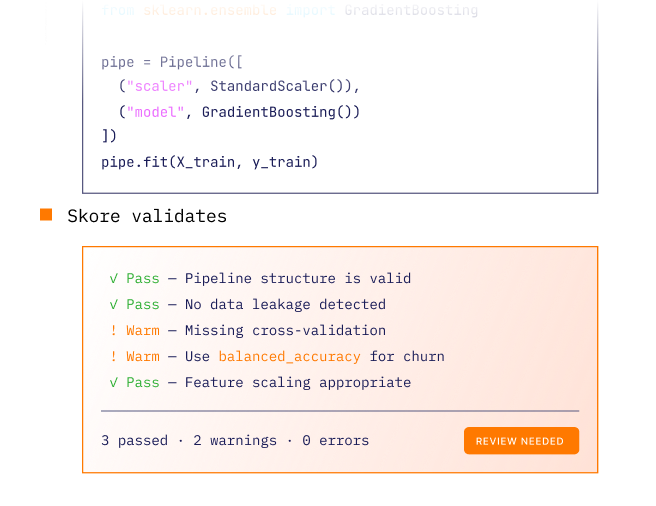
of practitioners have seen an agent produce a plausible but wrong analysis. Only 19% have built repeatable agentic workflows.
70%
of AI’s potential value lies in core business functions such as R&D, sales, and manufacturing, according to BCG.
20 to 30%
reduction in distributors’ inventory levels from AI-enabled demand forecasting, according to McKinsey.
Chapters:
-
Chapter 1
Tabular AI: why it is more than predictive modeling, and where the enterprise value lies.
-
Chapter 2
scikit-learn, the Swiss Army knife of ML: getting faster, more reliable and easier to use.
-
Chapter 3
The Python data science ecosystem Tabular AI stands on, with insights from the developers of core libraries.
-
Chapter 4
Tabular foundation models: where they win, where trees and deep learning still do, and why open science matters.
-
Chapter 5
The agentic turn: why validation becomes the bottleneck, and how a statistical harness helps.
-
Conclusion
Four takeaways, and the open questions that will shape the year ahead.
Why download it
Learn from leading voices in the field
Interviews with teams at NVIDIA, Intel, SAP, IBM, Moderna, QuantumBlack (McKinsey), Prior Labs, and PyMC Labs.
Choose models with evidence
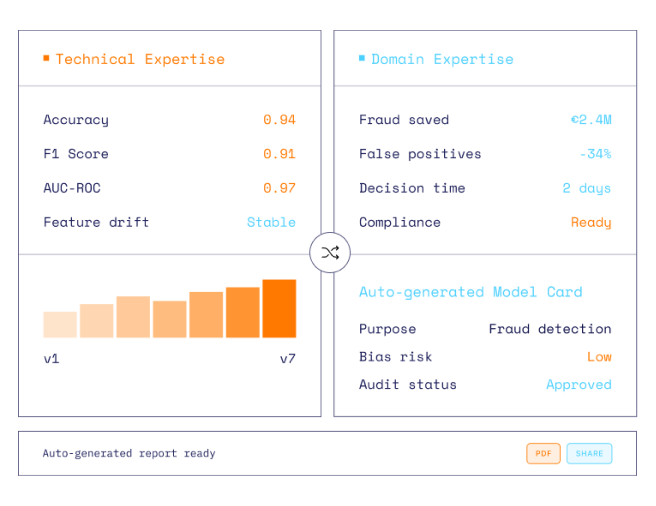
See where tabular foundation models lead, where trees and deep learning still win, and which models are truly open.
Make agents more reliable
Learn how skills, automated checks, and human review keep data science agents reliable.
Build your business case
Ready-to-use figures from BCG and McKinsey on where AI value lies, to justify investing in Tabular AI.
Follow the open source ecosystem
How scikit-learn and the wider Python libraries are evolving, with insights from the people who build them.
Spot the open questions
How far tabular foundation models should scale, how much autonomy agents deserve, and how to evaluate their reliability.
Meet the authors

Dr. Gaël Varoquaux
Co-creator of scikit-learn, co-founder and Chief Science Officer at Probabl
Gaël is one of the creators of scikit-learn, the widely used ML library. He is also a research director at Inria, where he leads the Soda team, and the co-founder of Probabl.

Dr. Cailean Osborne
Head of Ecosystem Development at Probabl, co-author of the report
Cailean leads strategic projects that amplify Probabl’s mission and vision around Tabular AI. Previously, he was a Senior Researcher at the Linux Foundation. He holds a PhD in social data science from the University of Oxford.

Dr. Madelon Hulsebos
Senior researcher at CWI Amsterdam, foreword author of the report
Madelon Hulsebos is a senior researcher (tenured) at CWI in Amsterdam where she leads the Table Representation Learning Lab. She is an ELLIS Scholar, faculty member of the management team at ELLIS Amsterdam, and advisor at Prior Labs.
Get the full Tabular AI report
Key findings
Gaël Varoquaux presents the main findings of the State of Tabular AI Report 2026.
Discussion
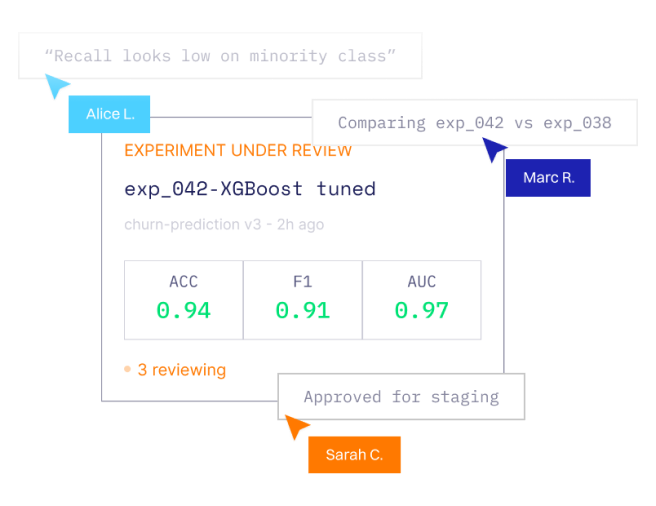
Gaël Varoquaux, Cailean Osborne and Madelon Hulsebos discuss the open questions in Tabular AI research and innovation.
Live Q&A
Bring your questions about the report and Tabular AI.